Why "La Dolce Vita" Still Sells, Sixty-Five Years After Fellini
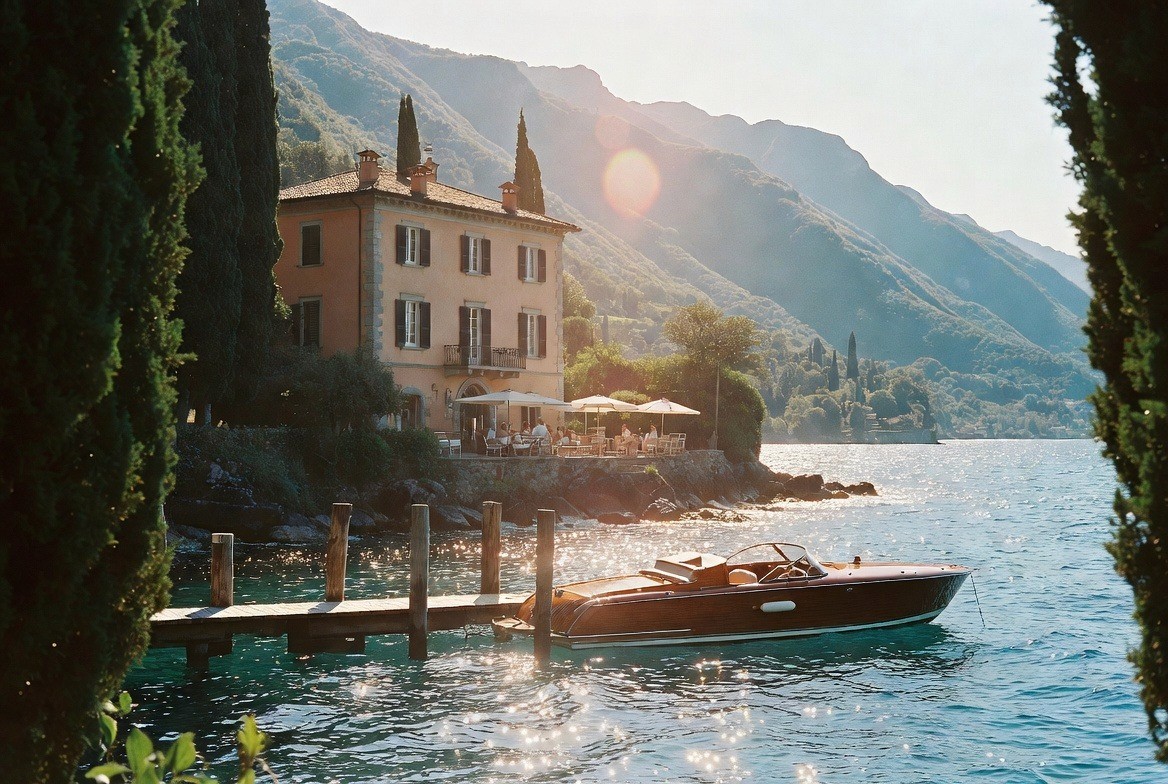
La Dolce Vita reinterpreted in a modern investment way.
There is a trattoria in the Monti district of Rome that has no website, accepts telephone reservations between eleven in the morning and noon, and has been asked nine times in five years to license its name. The owner has refused each time. His explanation, offered over the telephone to someone making the tenth such inquiry, was this: "We are not a brand, we are a kitchen."
That sentence contains the whole argument.
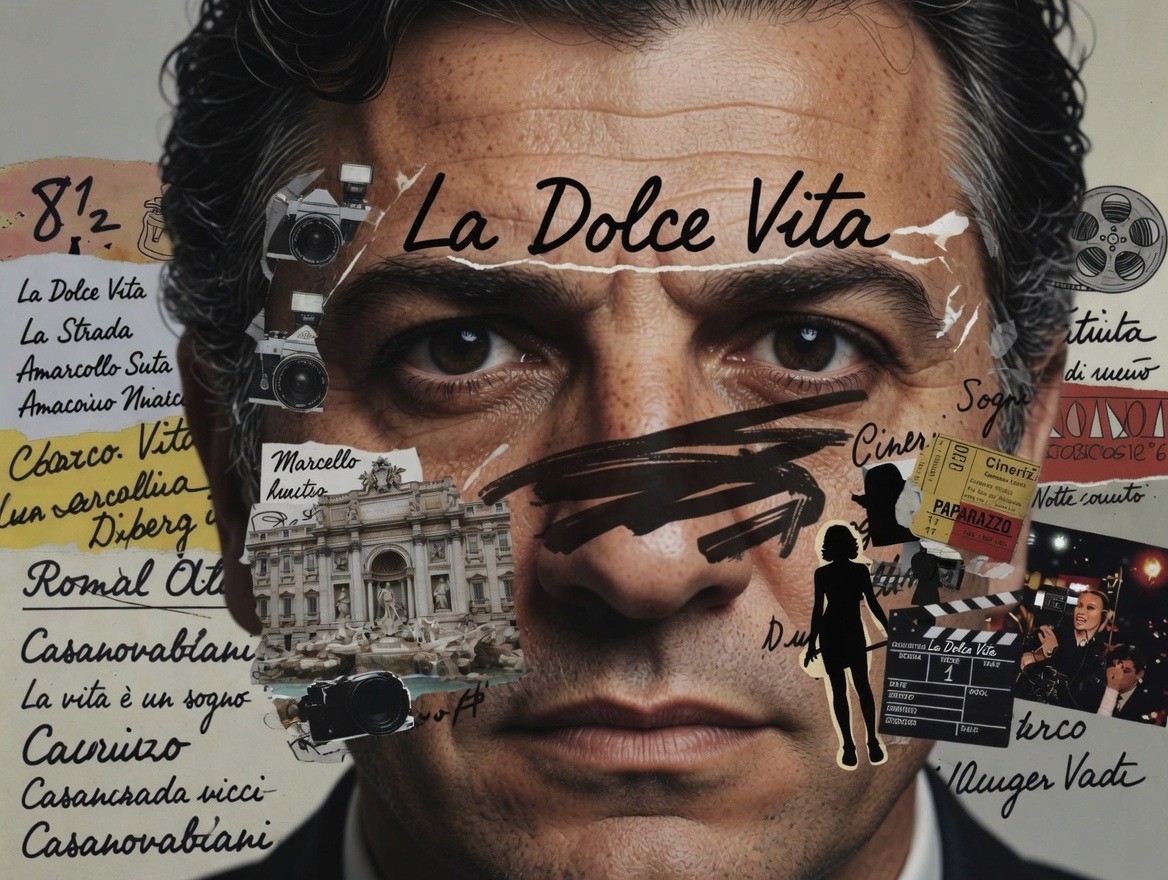
The phrase dolce vita has been borrowed so many times that it has nearly stopped meaning anything. A casual search for "dolce vita" and "luxury" returns roughly eleven million results, most of them hotel campaigns and beverage advertising. The original film gave the phrase its glamour — the Via Veneto, the paparazzi, Mastroianni in a white dinner jacket, the particular quality of Roman night air in 1960 — but that version was always about surface. What is happening now, in the market for Italian place and Italian craft, is something more durable and considerably more interesting. Italy's edge in 2026 is not the postcard. It is the kitchen that refuses to become a brand.
Every country with a warm coastline has deployed the language of the good life. What Italy has, and what no rival has managed to replicate at scale, is an uninterrupted continuity of place-making: the accumulated weight of families who have been doing the same thing, in the same building, on the same street, for long enough that the practice has become inseparable from the place itself. This is not nostalgia. It is a present-tense economic fact.
ISTAT's artisan-producer registry records approximately 1.4 million businesses classified as artigiani — small craft producers concentrated in Lombardy, the Veneto, Tuscany and Emilia-Romagna. The overall number has declined slowly, but the share operating in luxury-adjacent categories — textiles, leather, cabinetry, glass — has held steady or risen. The infrastructure of Italian craft is not disappearing. It is concentrating, and it is becoming, quietly, more valuable.
Outside Como, there is a fourth-generation linen mill whose owner declines to be named. It supplies four luxury maisons, will not confirm which ones, and maintains an eighteen-month waiting list for private commissions. When the owner describes the shift in his clientele over the past decade, he reaches for wine as the analogy: buyers in the nineties wanted to know the château; now they want to know the parcel. His clients, he says, used to want the bedsheets. Now they want to come and see the looms.
That movement — from product to provenance — is the structural change. The Knight Frank Wealth Report 2026 notes that HNW spending has shifted from acquisition to access: clients are commissioning weeks with craftspeople, private residencies in working estates, proximity to producers. Italy is named as the dominant European supplier of this category, with the observation that scarcity is now defined by access, not by price. The Como mill owner and the Monti trattoria owner are, without knowing it, describing the same market.
The strongest counterargument to this thesis is obvious: Italy has been selling its culture for decades, and the machinery of that sale — the hotel groups, the heritage brands, the regional tourist boards — has become sophisticated enough to simulate authenticity convincingly. A well-funded operator can build something that looks, from the outside, like the real thing.
The difference is that the real thing is not for sale in the conventional sense. The Monti kitchen cannot be licensed because its value is precisely its refusal to be. The Como mill cannot be franchised because what clients are paying for is the fourth generation, the specific looms, the eighteen-month wait. These are not features that survive replication. The simulation is detectable, and the buyers who matter can detect it.
This is why the experience-economy framing, while accurate, slightly misses the point. What HNW buyers are acquiring is not an experience. They are acquiring a relationship with a place that has not been optimised for them. That is a different thing, and it is rarer.
The market consequence is visible in buying behaviour. Agents working the Italian residential market report that the conversation has changed. Buyers who would once have led with lake views or Tuscan hillsides are now asking different questions: how far is the nearest butcher whose family has held the shop since 1890? Is there a working estate within twenty minutes? Can I get to a producer I can actually know?
This is not a softening of the financial calculus. It is a sharpening of it. What these buyers understand — often because they have spent time in Italy rather than merely visiting it — is that proximity to the functioning version of Italian civic life is both harder to acquire and more resistant to erosion than the marketed version. The hotel campaign fades. The kitchen that refuses to become a brand does not.
Fellini's film ends, as it always did, with Marcello on the beach at dawn, unable to hear the young woman calling to him across the water. The distance between the life he is living and the life he might have had is the film's subject. Sixty-five years later, the buyers who understand Italy best are the ones who have crossed that water — not to find a postcard, but to find the looms.